Overview: Why Gold Coast soil matters for foundations
The Gold Coast has a diverse range of soil conditions that directly influence how concrete foundations perform. From coastal sand overlays to clayey subsoils, high groundwater, and pockets of acid sulfate soils, each condition requires specific design and construction responses. For homeowners, builders, and property managers, understanding these local soil realities is essential when planning a concrete driveway, an exposed aggregate driveway, a concret path, or full building foundations.
Common soil types on the Gold Coast
Coastal sands
Much of the coastal strip consists of loose, free-draining sands. These sands have low bearing capacity and are prone to settlement if not properly compacted. For light loads such as residential concrete driveway slabs or concret paths, engineered compaction and suitable slab design mitigate excessive settlement.
Interbedded sands and silts
In transitional zones, sands mixed with silts and fine materials can reduce drainage and increase settlement risk. These soils often require more careful testing and may need geotechnical recommendations for subgrade preparation or deeper footings.
Residual and alluvial clays
Clay soils can be reactive — expanding when wet and shrinking when dry. Reactive clays are a primary cause of slab movement and cracking. Gold Coast developments that extend into hinterland areas should assume the possibility of reactive clay and plan slab and footing design in accordance with relevant standards.

Acid sulfate soils and high groundwater
Low-lying coastal and reclaimed areas may contain acid sulfate soils and experience high groundwater levels. Acid sulfate soils can corrode concrete and steel unless appropriate mixes and protective measures are used. High groundwater requires careful drainage design and potential use of subsoil drainage systems or suspended slabs.
Regulatory framework and standards (2025)
In 2025, designers and builders on the Gold Coast must comply with national and state regulations and Australian Standards. Key references include:
- AS 2870 Residential Slabs and Footings — provides classification of site conditions and design requirements for residential slabs AS 3600 Concrete Structures — guides structural concrete design, reinforcement, and durability National Construction Code (NCC) and Queensland-specific building approvals — consult current NCC editions and local council requirements for site-specific constraints
Always confirm the latest versions and any Queensland-specific practice notes or amendments in 2025; streamlined digital approvals and additional environmental controls are increasingly common.
Site investigation: the first step
Before concreting or commissioning a concreting service, obtain a geotechnical site investigation. Typical deliverables include soil classification, depth to groundwater, presence of acid sulfate soils, and recommendations for slab design and footing depths. Practical items to request:
- Test pits or bore logs to at least the depth of proposed footings or up to 1.5–2.0 m for typical residential projects Laboratory testing for moisture content, particle size, Atterberg limits (for clays), and swell potential Clear advice on required compaction levels and any groundwater management
Design and construction tips for durable concrete foundations
Choose the right slab and footing type
Common options include concrete slab-on-ground, suspended slabs, and pier-and-beam systems. On sandy or low-bearing soils, wider strip footings, pad footings, or piled foundations may be necessary. For reactive clays, follow AS 2870 classifications (e.g., Class S, M, H) and choose appropriate footing and slab precautions such as reinforced raft slabs or suspended systems.
Subgrade preparation and compaction
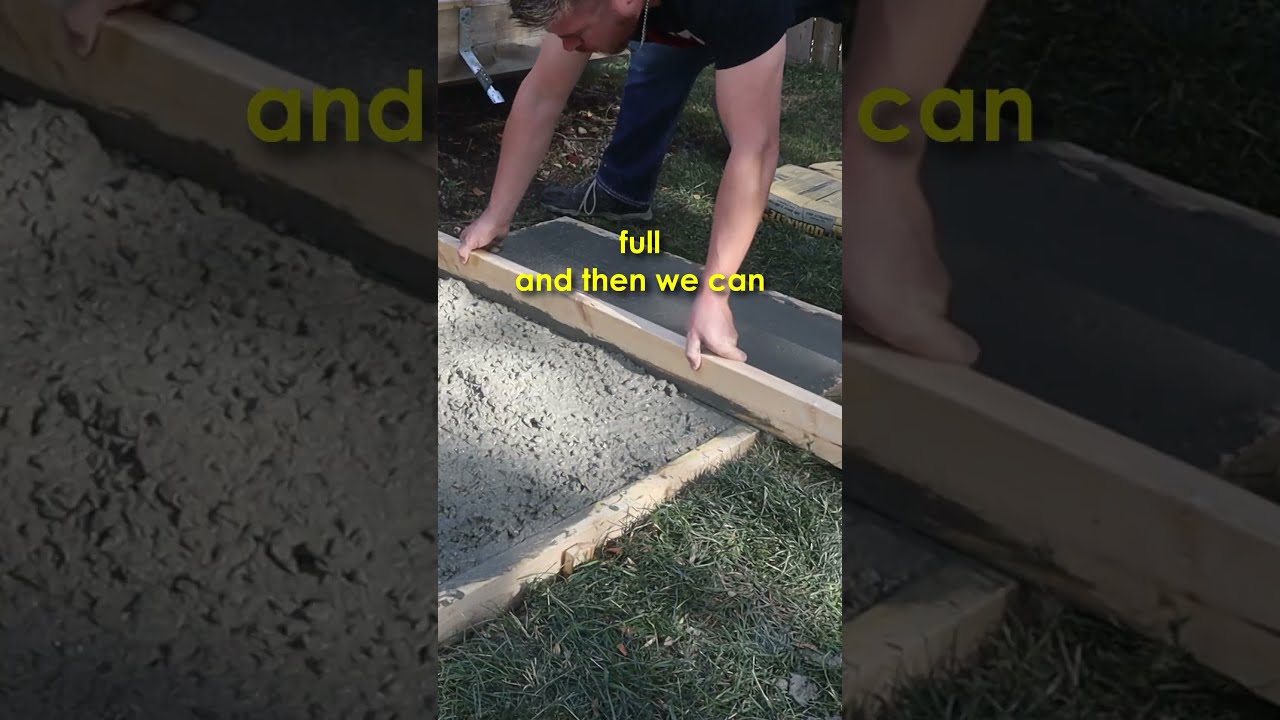
Uniform, well-compacted subgrade is essential. Remove organic matter and soft spots. Recompact to specified densities (commonly 95% of Standard Proctor where specified) using approved equipment. For trenching, ensure https://goldcoastconcretingexperts.com.au/retaining-walls/ batters and benching are stable and never place concrete on soft, uncompacted fills.
Addressing groundwater and drainage
High groundwater requires:
Lowering of water table via temporary dewatering during construction if necessary Installation of perimeter and under-slab drainage where recommended Proper surface grading around the building to shed water away from foundationsSulfate and corrosion protection
If acid sulfate soils are present or groundwater is aggressive, specify sulfate-resistant cement and consider corrosion-resistant reinforcement (e.g., epoxy-coated or stainless steel for critical elements). Use low-permeability concrete mixes and ensure adequate cover to reinforcement per AS 3600 to reduce corrosion risk.
Concrete mix design and additives
Work with your concreting contractor or concreting company to select a mix that addresses local exposure conditions. Practical considerations:

- Sufficient strength class (e.g., N20–N32 for many pavements and residential slabs, higher where structural demand exists) Use of pozzolans (fly ash, slag) or silica fume for durability and reduced permeability Air-entrainment for resistance to freeze/thaw is not typically required on the Gold Coast, but it can improve workability Admixtures to control set time, improve workability, and reduce water demand — important in warm Gold Coast climates
Control joints, reinforcement, and finishing
Control joints must be provided at appropriate spacing to manage shrinkage cracks. For slab-on-ground, joint spacing often follows a rule of thumb (e.g., 3–4 times slab thickness in mm), but follow engineer or supplier guidance. Use adequate reinforcement (mesh or rebar) to maintain crack widths and structural integrity. For exposed aggregate driveways and decorative finishes, coordinate joint layout with surface patterns.
Curing and protection
Proper curing is critical for long-term strength and durability. In Gold Coast conditions, protect fresh concrete from rapid moisture loss due to heat and wind by using curing compounds, wet coverings, or plastic sheeting. Avoid early loading of newly poured surfaces—adhere to curing period recommendations from the concrete supplier and designer.
Site-specific considerations for driveways and paths
Driveways and paths are often less structurally demanding than building slabs but still require attention to subgrade, reinforcement, and drainage.
- For a concrete driveway, ensure subgrade compaction and consider thicker sections or increased reinforcement at wheel tracks. Consider a minimum of 100–150mm thickness for domestic driveways, increased for heavier loads. Exposed aggregate driveways require consistent concrete cover and careful finishing to expose the aggregate uniformly; discuss wash-off timing with your concreting service. For concret paths, use edge restraints and control joints to prevent edge spalling and transverse cracking.
Hiring a concreting contractor on the Gold Coast
Choosing the right concreting contractor or concreting company matters. Look for:
- Local experience with Gold Coast soil conditions and examples of similar projects Up-to-date licenses, public liability insurance, and written warranties References and transparent quotations including subgrade prep, drainage, mix design, and curing
Maintenance and long-term monitoring
After construction, perform routine inspections for drainage effectiveness, cracking, and edge deterioration. Small cracks can be sealed; larger movements or progressive cracking may need specialist assessment. Maintain perimeter grades and ensure guttering and stormwater systems remain functional to prevent subgrade saturation.
Looking ahead: 2026 and beyond
From 2026, expect further focus on climate resilience, coastal adaptation, and low-carbon concrete solutions. The industry is moving toward more sustainable mixes (increased use of supplementary cementitious materials and low-emission binders) and digital site investigations. When planning projects now in 2025, leave flexibility for updating designs to meet future regulatory changes and resilient-design best practices.
Final checklist before you pour
Before you commit to concreting, verify the following:
- Completed geotechnical report with design recommendations Approved building permits and compliance with NCC/AS requirements Subgrade prepared and compacted, drainage arranged Concrete mix specified for exposure and soil aggressivity Qualified concreting company with clear scope, curing plan, and warranty
Addressing Gold Coast soil conditions proactively reduces long-term maintenance and improves durability for foundations, concrete driveways, exposed aggregate driveways, and concret paths. Engage geotechnical and structural professionals early, and work with experienced local concreting contractors to ensure your project meets both performance and regulatory expectations in 2025 and beyond.
Gold Coast Concreting Experts
Shop 4/22 Bailey Cres, Southport QLD 4215, Australia
ph. (07) 5230 8851